
Debunking the top myths about casinos what really happens behind the scenes
The Illusion of Control: Luck vs. Skill
One of the most pervasive myths in the casino world is that skill can significantly influence the outcome of games predominantly based on chance, such as slots and roulette. While players often believe that employing strategies or techniques can sway results, the reality is that these games rely heavily on random number generators and algorithms that ensure fair play. The odds are consistently stacked in favor of the house, making it essential for players to understand that luck plays a pivotal role in these games. Players looking for a comprehensive experience can find insights about the model StakeHouse which combines various aspects of gaming.
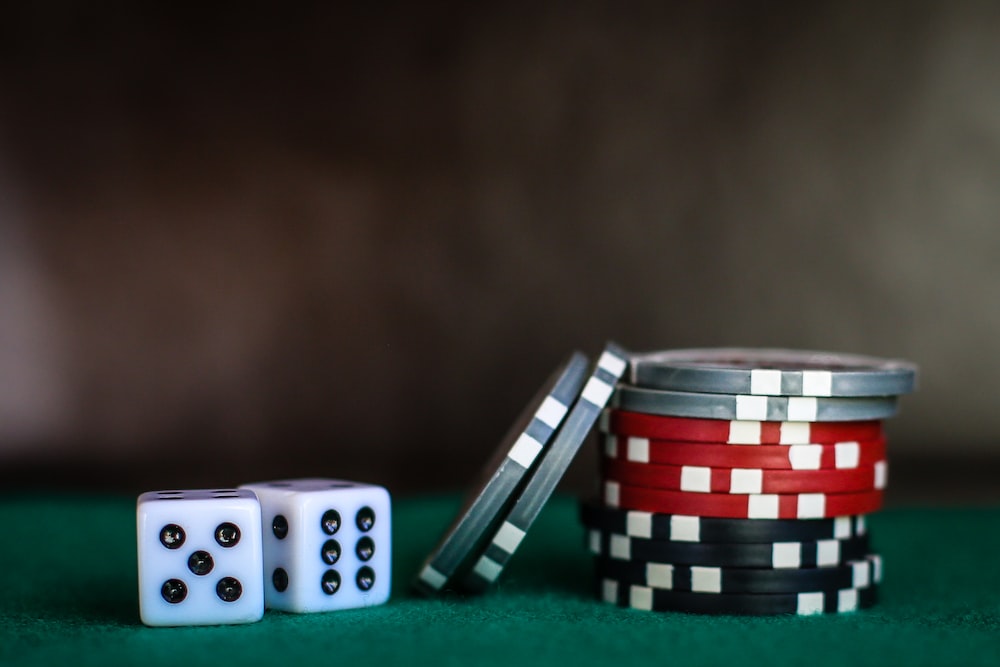
Contrary to popular belief, skill-based games like poker and blackjack do allow for a measure of player influence. Yet, even in these scenarios, luck remains a crucial factor. A seasoned player may have better odds of winning over the long haul due to their understanding of strategies and probabilities, but one bad hand can still overturn months of calculated risk. This unpredictability is what keeps players returning, contributing to the overall allure of gambling.
It’s important to acknowledge that some players are drawn to casinos not just for the thrill of winning, but also for the social interactions and entertainment they offer. In skill-based environments, players engage in conversations, form connections, and share experiences, creating an atmosphere that blends both luck and skill. This aspect emphasizes the complex dynamics that underpin the casino experience.
The House Always Wins: Unraveling the Math
The adage “the house always wins” is often repeated in gambling circles, but what does it really mean? The house edge, a mathematical advantage built into every game, ensures that over time, casinos will profit regardless of individual player outcomes. This edge varies by game type; for example, slot machines can have a house edge ranging from 2% to 15%, while games like blackjack can be closer to 1% with optimal play. This is a critical aspect that every player should understand before stepping onto the casino floor, especially when considering the experience at a StakeHouse casino.
Many people believe that they can overcome this edge through strategies or betting systems. However, while strategies like card counting may work in certain games, they require immense skill and discipline. Moreover, casinos have implemented countermeasures to detect and deter such practices. This further illustrates that the mathematical realities of casino games are engineered to favor the establishment over time, which is fundamental to their business model.
The knowledge of the house edge should encourage players to gamble responsibly, understanding that playing for fun rather than profit can lead to a healthier experience. When players recognize that they are participating in an entertainment activity rather than a guaranteed source of income, they can better manage their expectations and financial investments in the gaming experience.
The Glamorous Life: Reality Behind Casino Operations
Casinos often project a glamorous image filled with luxurious amenities, extravagant shows, and endless excitement. However, behind the scenes, the operations of a casino are far more complex and strategically designed. From surveillance systems to maintain security to sophisticated algorithms managing games, the reality is that there are meticulous systems in place to ensure both player safety and house profitability. This level of sophistication might surprise many who only see the surface spectacle.
Moreover, casinos employ a vast staff dedicated to creating an enjoyable experience for guests. From dealers and pit bosses to marketing teams and maintenance personnel, every role contributes to the overall ambiance and functionality of the casino. The effort to train employees in customer service and game management highlights the importance of customer satisfaction in this industry. Happy customers are more likely to return, leading to increased profits for the casino.
Interestingly, casinos also invest heavily in technology to enhance the gaming experience. Innovations such as mobile gaming apps and cashless payment options are becoming increasingly popular, reflecting the industry’s adaptability to changing consumer preferences. These advancements not only streamline operations but also offer players more convenience, contributing to the overall excitement of visiting a casino.
The Allure of Winning: Psychological Tactics at Play
Another myth involves the belief that casinos are designed to give players fair chances of winning. In reality, psychological tactics are extensively employed to keep players engaged and, often, spending more money. Elements such as strategically placed lighting, sounds, and even smells are all orchestrated to create an immersive atmosphere that can disorient and entice players, making them lose track of time and money.
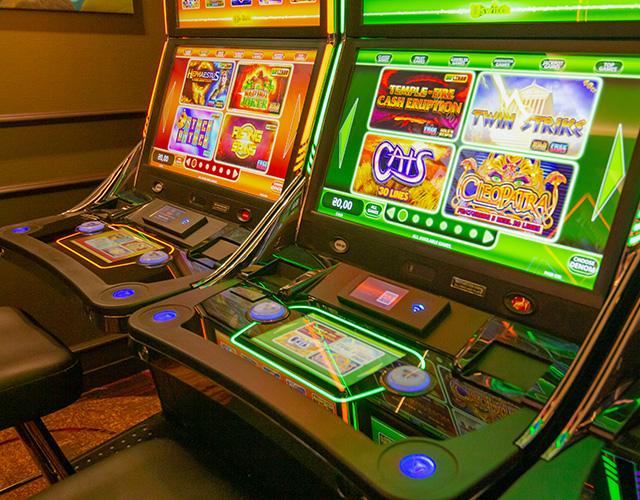
The concept of “near misses” is particularly interesting in this regard. When players almost win, such as landing two out of three needed symbols on a slot machine, their brains can interpret this as a close call, prompting them to play again. This clever manipulation encourages continued betting, reinforcing the illusion that winning is just around the corner. As a result, players may find themselves drawn into a cycle of gambling, believing that persistence will lead to success.
Understanding these psychological techniques can empower players to make more informed decisions. By recognizing that casinos are designed to maximize profitability through psychological manipulation, individuals can approach their gaming experience with a more critical mindset. Ultimately, this awareness can lead to healthier gambling habits and more enjoyable experiences in the casino environment.
Conclusion: Your Source for Informed Gaming Choices
In the complex world of casinos, understanding the reality behind the myths is vital for both novice and seasoned players. Awareness of the role of luck versus skill, the workings of the house edge, the operational intricacies, and the psychological strategies at play can significantly enhance one’s gaming experience. This knowledge empowers players to make informed decisions and encourages responsible gambling practices, as seen with the registration options available at many venues.
For those seeking more insights into the world of casinos, from the latest gaming innovations to responsible gambling advice, exploring dedicated resources can provide invaluable information. Engaging with platforms that specialize in casino education can help demystify the experience, making it more enjoyable and less intimidating. By staying informed, players can navigate the fascinating and thrilling landscape of casinos with greater confidence.