

Five Fundamental Steps and Pillars for Startup Success

Markethive champions the entrepreneurial spirit, striving to maintain its momentum amid conglomerate oppression. Entrepreneurs are driven by the desire to turn their ideas, often born of personal insight and passion, into thriving, successful businesses that create value and have an impact. Starting a startup is an exciting process that requires careful planning and execution. To increase the likelihood of success, aspiring entrepreneurs should follow key steps, from developing the initial concept to full implementation.
This article outlines five essential steps to kick off your startup journey and significantly increase your chances of building a successful business from the ground up. Starting a company is an inherently risky venture; however, by following a structured five-step process and five core pillars, aspiring entrepreneurs can systematically mitigate risk, validate their ideas, and establish a strong foundation for sustainable growth.
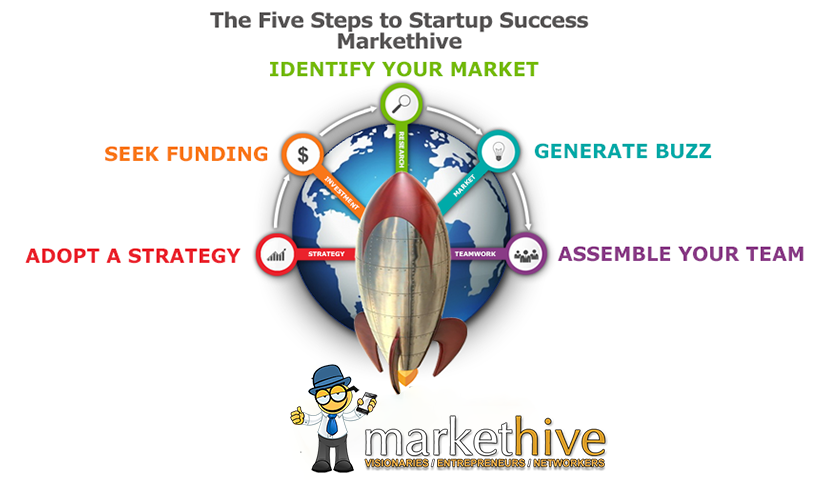
The Indispensable Role of a Solid Strategy
A solid, well-defined strategy is the absolute foundation for any successful venture, serving as the constant guide for every major decision and action. Skipping this stage is a common pitfall. Every founder must meticulously consider these core strategic elements:
- Define your mission and value proposition by clearly explaining the "Why" behind your business. Grasp the problem (Pain Point) and specify the Value (Solution). Your value proposition should highlight the unique, persuasive benefit your target customers gain. It needs to be communicated clearly and convincingly, explaining why they should choose you over competitors. Remember, this isn't merely a list of features; it's the essential transformation you provide.
- Set clear, strategic goals that turn your mission into concrete, measurable targets using the SMART framework. Make sure your goals are Specific, Measurable, Achievable, Relevant, and Time-bound to foster accountability. Differentiate between short-term and long-term objectives by pursuing quick wins, like achieving product-market fit, and building momentum toward larger aims, such as market leadership.
- Creating a comprehensive business model acts as the blueprint for generating, delivering, and capturing value. It functions as your company's economic engine. Clearly define your pricing strategy and how you intend to monetize, whether through subscriptions or licensing. List and evaluate all major operating expenses to determine your break-even point and required margins. Identify your key assets, such as intellectual property or talent, and necessary actions like R&D or sales that are essential to delivering your value proposition.
- To analyze and outmaneuver your competition, thorough analysis is essential for defining your niche and minimizing risks. Identify both direct and indirect competitors addressing the same customer problem. Evaluate their strengths and weaknesses by systematically assessing what they do well and where they lack. Clearly articulate your differentiation by highlighting your unique competitive advantages, such as advanced technology or innovative approaches. This creates your "moat," a barrier that protects your market position from being copied.
The strategy phase is a vital investment. A clear strategy acts as a compass for your organization, showing that your idea is not only feasible but also scalable for long-term success.
Seek Funding
To effectively assess your financial needs, you need to clearly understand your startup's specific requirements. This includes thoroughly analyzing key areas such as product development costs, marketing expenses, operational overheads, and growth potential. A complete assessment helps you accurately determine the required funding amount and the ideal timing to secure it.
Raising capital for a startup involves exploring various financing options, and the best mix depends on each company's needs and growth plans. A strong funding strategy is essential, balancing the need for sufficient capital with maintaining control and minimizing equity dilution.
- Bootstrapping: Funding the business with personal savings or company revenue. This method provides maximum control but requires strict budgeting.
- Crowdfunding: Raising smaller sums from a large group of people, typically via online platforms.
- Angel Investors: Private individuals who invest in startups, typically in exchange for equity, often offer valuable mentorship.
- Venture Capital (VC): These firms invest in high-growth companies. They typically require a substantial equity stake and expect high returns.
- Business Loans: Borrowing money from banks or financial institutions. This option typically requires solid credit and collateral.
Actively engaging with the startup ecosystem is crucial for spotting investment opportunities. It's recommended to network with industry specialists, attend startup events, and become part of local entrepreneurial communities. Joining business incubators or accelerators, along with industry conferences or pitching contests, offers valuable chances to connect and showcase the startup’s potential to a broader pool of investors. A well-crafted business plan and a compelling pitch deck are vital for drawing in investors.
It is important to note that startups should focus on growing independently and seek funding only when necessary to prevent losing control too early. When investment becomes unavoidable, founders should thoroughly evaluate potential investors to ensure their values and vision align with the company's long-term objectives. Founder disputes, often aggravated by conflicts with investors, are a common reason for startup failure. Before making any agreements, entrepreneurs must have a clear understanding of both the potential risks and rewards.
Identify Your Market
Achieving success depends on a deep understanding of your target market. You need to identify your ideal customers, understand their specific needs, and find the most effective ways to reach them. Consider these key steps:
- Identify Your Ideal Customer (Target Audience Definition): Clearly specify your perfect customers by understanding their demographics, such as age, location, and income, and psychographics, which include values, attitudes, lifestyles, and buying behaviors.
- Conduct In-Depth Market Research: Systematically gather data to grasp your market's needs and preferences. Use techniques like surveys, interviews, and extensive online research.
- Conduct Competitive Analysis: Research your competitors. Identify their target audience and examine the marketing strategies they use.
- Develop Detailed Buyer Personas: Create in-depth profiles of your ideal customers. These personas should then guide your product development and marketing efforts.
By thoroughly understanding your market, you can tailor your products, services, and marketing messages to connect and resonate with your target audience.
Generate Buzz
Creating excitement and awareness is essential to attracting both customers and investors to your startup. Use these strategies to generate considerable buzz.
- Building Anticipation and Exclusivity: Creating anticipation and exclusivity to generate excitement for a product or service launch by releasing information in stages, starting with basic features and revealing major milestones later to keep interest high. Additionally, building exclusivity through waitlists, limited early access, or invite-only events to reward early adopters and encourage strong word-of-mouth marketing.
- Online Presence & Engagement: Create a professional website and maintain active social media profiles. Regularly share valuable content and engage with your audience to develop a strong online community.
- Media and Public Relations: Actively reach out to journalists and bloggers to obtain media coverage. Emphasize your unique value proposition and showcase any significant success stories. Draft a compelling press release for major news and niche outlets about substantial milestones, like funding or a product launch. Offering exclusive data or stories can increase coverage.
- Social Media Strategy: Use social media channels to engage your target audience, boost brand visibility, and direct traffic to your website. Use relevant hashtags and compelling visuals to maximize discoverability.
- Content Marketing: Engage and inform your target audience with high-quality content like blog posts, articles, videos, and infographics across all your digital platforms.
- Networking and Events: Attend industry conferences and events to meet and connect with potential customers, partners, and investors.
Creating a compelling brand story, highlighting the company’s purpose, and encouraging user-generated content through challenges or giveaways can boost organic growth and excitement. Stay creative and think outside the box to generate the biggest buzz!
Assemble Your Team
Your team is the cornerstone of your startup's success. Cultivate a dedicated, passionate group of talented individuals who are fully aligned with your core vision. To assemble this critical asset, focus on these key areas:
- Strategic Talent Acquisition: Define your needs by clearly identifying and articulating the specific expertise and skills essential for operational success. Prioritize hiring individuals whose values and work ethic naturally align with your company's culture.
- Empowerment and Trust in the Team Environment: Build trust by demonstrating confidence in your team. Empower individuals to take full ownership of their responsibilities through effective delegation.
- Foster a Positive Culture: Establish a workspace that actively champions innovation, effective collaboration, and continuous professional growth.
Building a successful startup hinges on assembling a skilled and cohesive team. Start by clearly identifying the essential roles and expertise needed to execute your business plan. Look for individuals who are not only passionate and committed but who also wholeheartedly share your vision. The strongest teams possess complementary skills and diverse perspectives, significantly boosting the startup's capabilities and fostering a positive culture of innovation and collaboration.
Effective teams are made up of individuals who blend knowledge and experience with purpose, engagement, and connection. Those who are self-aware, show empathy, and build conscious connections with others can drive a startup toward better performance, productivity, and financial success.
Successful startups often shift from traditional hierarchical structures to a more horizontal leadership model. This approach encourages a role-independent style of collaboration, valuing each team member's input equally, leading to decisions that benefit the business rather than simply following hierarchy. This transformational leadership, combined with a team that mixes hard and soft skills, is essential for successfully scaling your startup.
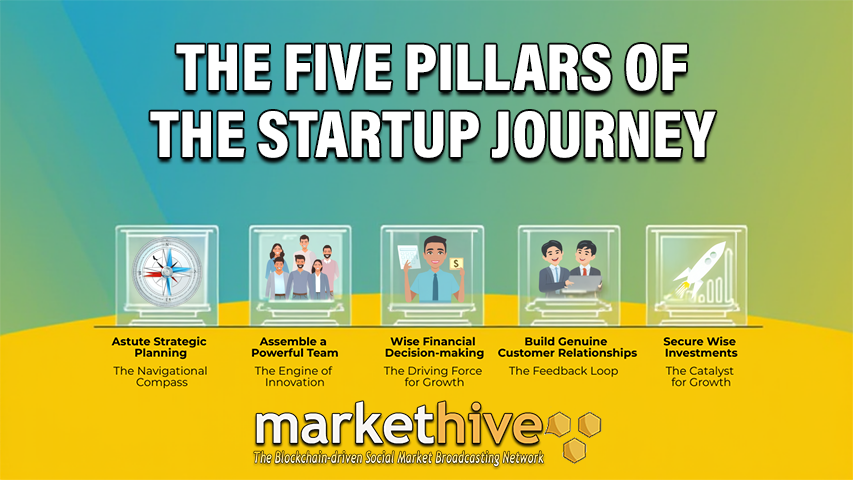
Five Pillars of the Startup Journey
Launching a startup is an odyssey that extends well beyond a simple business plan; it is a profound journey of courage, resilience, and unwavering vision. It involves turning an initial idea into a market-ready product, a process that pushes entrepreneurs to go beyond traditional boundaries of commerce. Success in this challenging venture depends on five essential, interconnected pillars, each requiring careful attention and strategic execution.
1. Astute Strategic Planning: The Navigational Compass
A clear, adaptable strategy anchors a successful startup. This entails more than just identifying a market need; it requires a deep understanding of the competitive landscape, a precisely defined target audience, and a sustainable monetization model. The strategic plan must be a dynamic document, regularly reviewed and adjusted in response to market feedback, technological changes, and emerging threats. It involves setting realistic, measurable short-term milestones while consistently working toward the long-term, overarching vision.
2. Assembling a Powerful Team: The Engine of Innovation
A solitary visionary rarely succeeds; it requires a cohesive, highly skilled, and passionate team. The strength of a startup lies in its collective talent and complementary skill sets; combining technical expertise with marketing savvy, financial prudence, and operational efficiency. Beyond just competence, the team must share the founder's core values and dedication. Building a culture of trust, open communication, and shared accountability is essential for managing the intense pressures and unpredictable pivots common in the startup world.
3. Making Wise Financial Decisions: The Driving Force for Growth
Financial discipline is essential for a startup's success. This involves careful budgeting, accurate cash flow management, and unit economics. Founders need to know their burn rate, prioritize costs that support growth or product development, and avoid scaling too early. Sound financial management helps ensure the company’s sustainability and builds trust with investors and partners.
4. Building Genuine Customer Relationships: The Feedback Loop
A startup's success depends on solving real problems for customers effectively. This involves shifting from simple transactions to forming genuine, meaningful relationships. It is essential to actively gather, listen to, and incorporate customer feedback, whether positive or negative. Using this iterative process, known as the build-measure-learn cycle, helps the product evolve constantly, addresses and forecasts user needs, and turns early adopters into passionate supporters.
5. Securing Wise Investments: The Catalyst for Growth
While bootstrapping offers valuable discipline, external funding often becomes essential to reach critical scale. Securing capital from venture capitalists, angel investors, or strategic partners demands a compelling pitch and a proven execution plan. Yet, the wisdom of the investment is crucial; founders must select partners who provide more than just money—they should offer mentorship, industry connections, and strategic alignment, ensuring the partnership promotes sustainable, responsible growth rather than reckless expansion.
In summary, the journey to startup success is neither simple nor direct. It will naturally involve setbacks, self-doubt, and major operational and mental challenges. Yet, it is through these trials that entrepreneurs grow stronger, sharpen their strategies, and become truly prosperous, resilient, and insightful. Launching takes courage, but dedication to mastering these five pillars is what creates a lasting legacy.
.png)
FREE Income Opportunity: Learn How Ordinary People Are Able to Earn Multiple Passive Income Streams just by Giving Away Free Stuff! The Strategy You’re About to Learn Is 100% Beginner Friendly (No Credit Card Required). Just go to: http://endless.cash