
The Allure of Chance and Uncertainty
The thrill of chance is one of the primary psychological factors that draw players to casinos. The unpredictable nature of gaming creates a sensation of excitement that is difficult to replicate in other environments. Each spin of the slot machine or flip of a card introduces an element of uncertainty and anticipation, which can be intoxicating. This unpredictability stimulates the brain’s reward system, releasing dopamine and reinforcing the desire to play again. Many eager gamers often explore online casinos australia for added opportunities to test their luck.

Add to this the concept of potential reward; the possibility of winning substantial sums of money keeps players engaged. The ratio of risk to reward is a compelling motivator. People are often driven by the hope that they could experience a life-changing win, which can perpetuate a cycle of play, even when losses accumulate.
Social Interaction and Community
Casino environments are often vibrant social hubs where players interact with one another. This social aspect is crucial in drawing individuals back to gaming venues. Engaging with fellow players can create a sense of belonging, and the shared experience of gaming can foster friendships. Many individuals enjoy the camaraderie that comes from cheering for each other’s wins or commiserating over losses.
Additionally, the casino atmosphere often encourages social interaction through organized events and tournaments, which further enhances community feelings. Players may return not only for the game but also for the social bonds formed within this unique environment, making the experience more appealing overall.
The Psychological Impact of Visual and Auditory Stimuli
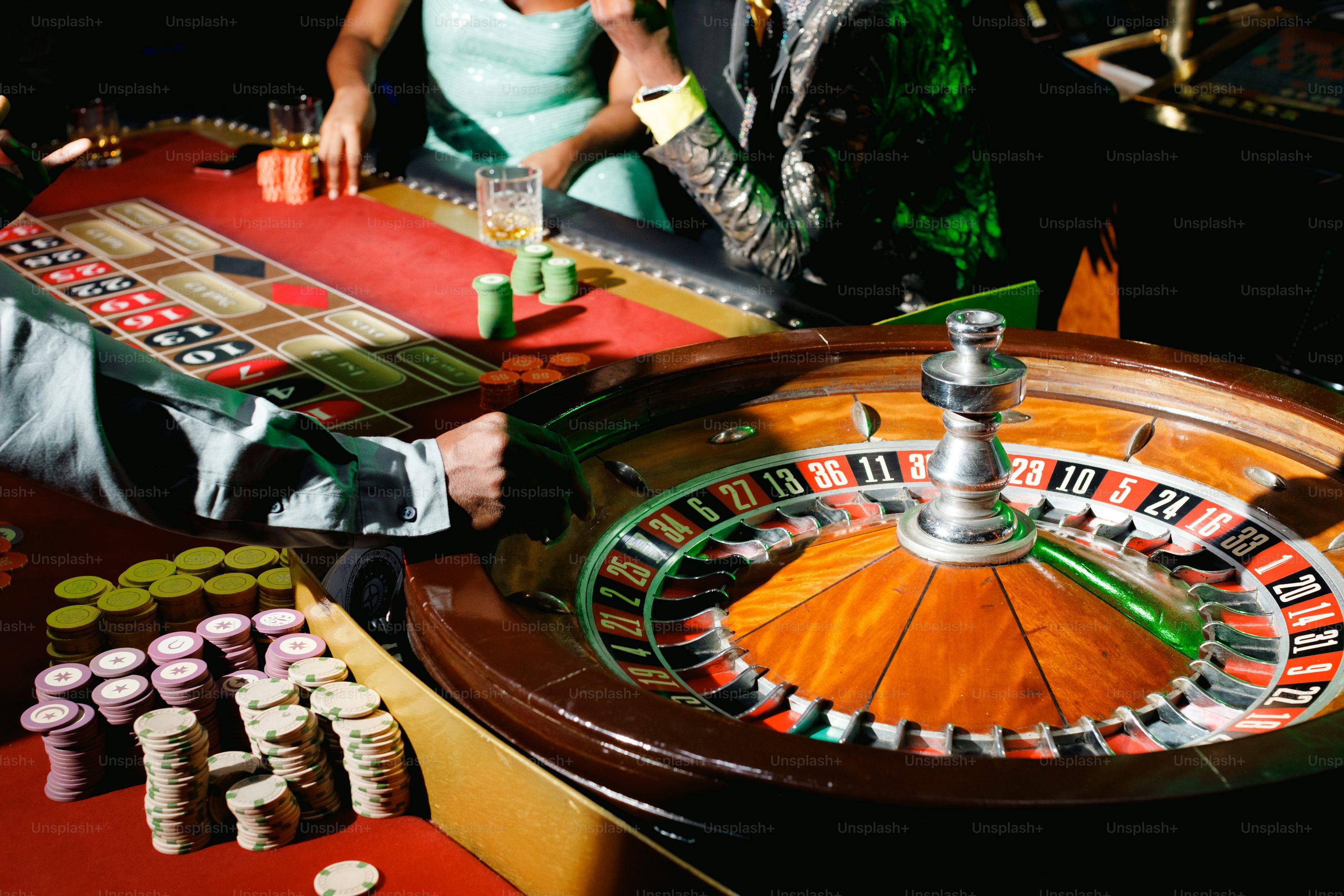
Casinos are meticulously designed to captivate players through both visuals and sounds. The flashing lights, vibrant colors, and sounds of coins clinking or bells ringing create a sensory-rich environment that can heighten excitement and engagement. This combination of stimuli can invoke an altered state of consciousness, where players become absorbed in their gaming experience.
These sensory elements are strategically employed to keep players engaged. The use of music and sound effects serves to enhance emotions and can trigger nostalgia, which may create a strong link to the gaming experience. The overall ambiance is crafted to make players feel energized, encouraging them to stay longer and play more.
The Role of Cognitive Biases
The psychology behind casino gaming also involves various cognitive biases that affect decision-making. One significant bias is the “gambler’s fallacy,” where players believe that past outcomes influence future results. For example, someone might think that a slot machine is more likely to pay out after a series of losses, leading them to continue playing in hopes of a win.
Additionally, players may often remember their wins more vividly than their losses, reinforcing the belief that their chances of winning are better than they actually are. These biases can create a false sense of confidence, prompting players to return to the gaming tables, driven by the belief that they can beat the odds in the long run.
Awareness and Support in Gambling Contexts
As the alluring world of casino gaming continues to draw players back, it is essential to remain aware of the psychological factors at play. Understanding these dynamics can help individuals recognize their motivations and make informed decisions about their gaming habits. There is a growing recognition of the importance of responsible gaming practices and the need for educational resources regarding gambling behavior.
Websites dedicated to advocacy and support play a vital role in this context. They provide valuable information about responsible gaming, resources for those who may need help, and tools for awareness. Engaging with such platforms can empower individuals by fostering a more informed and conscious approach to casino gaming, ultimately promoting a healthier gaming culture.